
Nouvelles de la société
Actualités de l'industrie
Argentina: Both malting and feed barley prices unchanged
Argentina: Barley crop 2025 development supported by favourable weather
Australia: Barley crop 2025 currently forecast at 15.8 mln tonnes with potential for further increase
Canada: Barley crop 2025 forecast at 9 mln tonnes still slightly above official estimates, analysts say
Nos malts
-
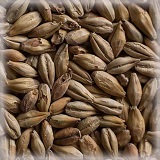 CHÂTEAU BISCUIT NATURE (MALT BIO)
Ajouter au panier
CHÂTEAU BISCUIT NATURE (MALT BIO)
Ajouter au panier
-
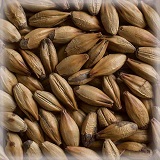 CHÂTEAU SPECIAL Belgium NATURE (MALT BIO)
Ajouter au panier
CHÂTEAU SPECIAL Belgium NATURE (MALT BIO)
Ajouter au panier
-
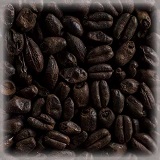 CHÂTEAU FROMENT BLACK (WHEAT BLACK)
Ajouter au panier
CHÂTEAU FROMENT BLACK (WHEAT BLACK)
Ajouter au panier
-
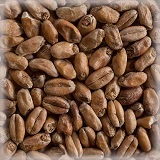 CHÂTEAU FROMENT MUNICH LIGHT NATURE® (WHEAT MUNICH LIGHT BIO)
Ajouter au panier
CHÂTEAU FROMENT MUNICH LIGHT NATURE® (WHEAT MUNICH LIGHT BIO)
Ajouter au panier
-
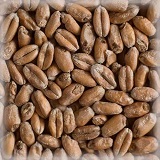 CHÂTEAU FROMENT BLANC NATURE (WHEAT BLANC BIO)
Ajouter au panier
CHÂTEAU FROMENT BLANC NATURE (WHEAT BLANC BIO)
Ajouter au panier
Nos houblons
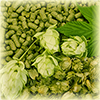
Nouveaux houblons


Nos levures
Nos épices
Nos sucres
Nos capsules
-
 Kegcaps 64 mm, Blanc 86 Sankey S-type (EU) (1000/boîte)
Ajouter au panier
Kegcaps 64 mm, Blanc 86 Sankey S-type (EU) (1000/boîte)
Ajouter au panier
-
 Kegcaps 69 mm, Rouge 102 Grundey G-type (850/boîte)
Ajouter au panier
Kegcaps 69 mm, Rouge 102 Grundey G-type (850/boîte)
Ajouter au panier
-
Kegcaps 69 mm, Orange 43 Grundey G-type (850/boîte)
Ajouter au panier
-
Kegcaps 69 mm, Marron 154 Grundey G-type (850/boîte)
Ajouter au panier
-
Kegcaps 64 mm, Jaune 4 Sankey S-type (EU) (1000/boîte)
Ajouter au panier
Recettes de Bière
Certificats
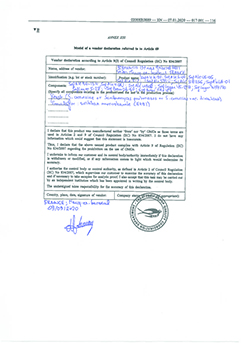 Fermentis GMO-free Declaration
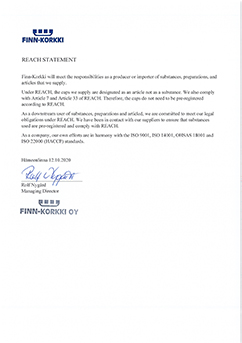 Crown Caps Finnkorkki REACH Statement
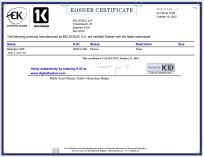 Malt Kosher Certificate July 2024-June 2025
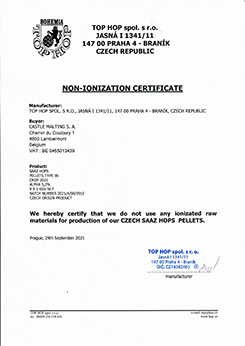 Top Hop - Non Ionization Certificate 2021
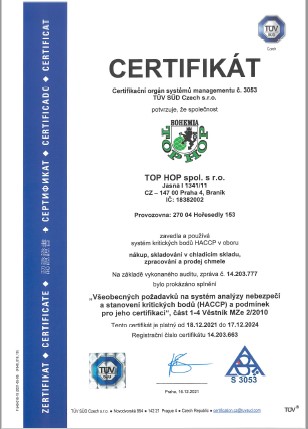 Top Hop - HACCP Certificate 2021-2024
Suggestion
Join us



 Slovakia: Beer production up 2% in 2024
Beer production in Slovakia increased to 297.6 million litres in 2024, up 2 percent from the 291.6 million litres brewed in 2023, the Slovak Beer and Malt Producers Association (SZVPS) reported on the occasion of International Beer Day, which falls on the first Friday of August each year.
In fact, the production of alcoholic beer saw a slight decline, whereas the production of non-alcoholic beer and shandy (a.k.a Radler) rose by more than a tenth.
"Non-alcoholic beer production increased by more than 15 percent year-on-year, rising steadily since the pandemic year of 2020. This uptrend is not only seen in volume but also in the number of non-alcoholic beers, as more and more breweries are starting to produce them," said SZVPS executive director Vladimir Machalik.
In 2024, the production of unflavoured non-alcoholic beer in Slovakia increased from 14.4 million litres (2023) to 16.6 million litres, up 15 percent. Non-alcoholic shandy production saw a rise by 11.5 percent to 60.2 million litres. Conversely, domestic breweries produced 2.2 million litres less alcoholic beer, i.e., 221 million litres in 2024 when compared to the 223 million litres in 2023.
"In the food sector, breweries were hit by last year's consolidation effort the most. This year we're analysing the impact of higher road toll costs. Beer is actually the most difficult beverage both in terms of production and logistics. Improving the situation in the restaurant sector would be welcome, as it's still struggling to attract customers while also trying to cope with the increased costs brought by consolidation. Therefore, breweries see the year 2025 as a big challenge," added Machalik.
Revenir