

Aktualności firmowe
E-Malt news
Argentina: Both malting and feed barley prices unchanged
Argentina: Barley crop 2025 development supported by favourable weather
Australia: Barley crop 2025 currently forecast at 15.8 mln tonnes with potential for further increase
Canada: Barley crop 2025 forecast at 9 mln tonnes still slightly above official estimates, analysts say
Nasze słody
Nasze chmiele

New Hops


Nasze drożdże



Nasze przyprawy



Nasze cukry

Nasze kapsle
-
 Kapsle 26mm TFS-PVC Free, Blue Neu col. 2832 (10000/box)
Dodaj do koszyka
Kapsle 26mm TFS-PVC Free, Blue Neu col. 2832 (10000/box)
Dodaj do koszyka
-
 Kapsle 26mm TFS-PVC Free, Reflex Blue col. 2203 (10000/box)
Dodaj do koszyka
Kapsle 26mm TFS-PVC Free, Reflex Blue col. 2203 (10000/box)
Dodaj do koszyka
-
 Kegcaps 64 mm, Czerwony 102 Sankey S-type (EU) (1000/box)
Dodaj do koszyka
Kegcaps 64 mm, Czerwony 102 Sankey S-type (EU) (1000/box)
Dodaj do koszyka
-
 Kegcaps 69 mm, Błękitny 141 Grundey G-type (850/box)
Dodaj do koszyka
Kegcaps 69 mm, Błękitny 141 Grundey G-type (850/box)
Dodaj do koszyka
-
Kegcaps 64 mm, Rose 1215 Sankey S-type (EU) (1000/box)
Dodaj do koszyka
Certyfikaty
-
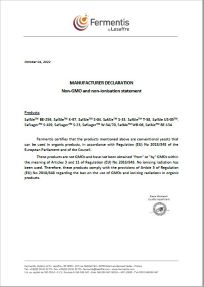 Fermentis Yeast- Non GMO declaration, non-ionisation_beer
-
 Charles Faram Hops, HACCP Plan QA38, EN 2022
-
 La Malterie du Chateau| FCA Malt Certificate 2022 (English) (2021-2024)
-
 Barth Haas Hops: GMO, Allergenic Substances and Vegan Declaration 2022
-
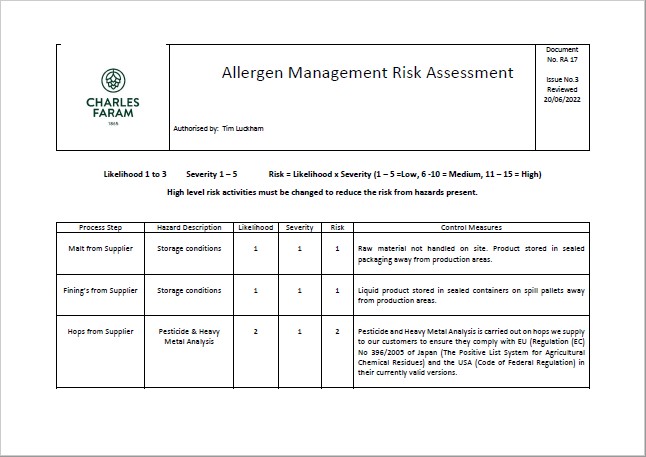 ChF Hops, RA17 Allergen Management Risk Assessment, EN 2022
Sugestia
Join us



 Australia: Barley, wheat, canola crop forecasts up from initial estimates
Australia is forecast to product 33.7 million tonnes (Mt) of wheat, 14.5Mt of barley and 6.4Mt of canola, according to estimates released today in ABARES’ quarterly Australian Crop Report.
All three figures are up from initial estimates of 30.56Mt for wheat, 12.81Mt for barley and 5.71Mt for canola released in ABARES’ previous report released June 3.
After a dry and late start to the cropping season in South Australia, western Victoria and southern New South Wales, above-average July rainfall in SA and Vic, and follow-up rain in August has provided enough moisture for crop emergence and establishment.
Although crops in south-eastern Australia are 3-4 weeks late, ABARES has described potential as positive.
With the exception of SA canola, all estimates listed below have been revised up, and ABARES has forecast the entire national crop, including pulses and oats, at 62Mt, the third-largest on record.
“Rainfall in southern New South Wales has not been as favourable with crops receiving just enough
to maintain growth,” ABARES said in the report, adding that further rainfall would be crucial for current yield potential to be realised.
“By contrast, conditions have been favourable in Western Australia, Queensland, and northern NSW, reflecting timely rainfall that has maintained soil-moisture profiles.
“These conditions have placed crops in an excellent position heading into spring.”
According to the Bureau of Meteorology rainfall outlook for September to November issued August 21, a 65-80 percent chance exists that spring rainfall will be above average across cropping regions in Qld and NSW, above the 55-70pc chance seen for Vic and SA.
In contrast, cropping regions in WA have a 35-50pc chance of receiving above-average rainfall.
“This generally favourable spring rainfall outlook, if realised, is expected to support crop development and boost yield potential.”
Wstecz