

Twój koszyk
Aktualności firmowe
E-Malt news
Australia: Barley harvest almost complete and likely to reach 15.8 mln tonnes
Canada: Barley exports see a slight slowdown
EU: Barley production forecast to decline by 8.3% in 2026/27
USA, IA: 515 Brewing Co. to shut down for good after 12 years in business
Nasze słody
-
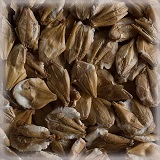 CHÂTEAU CHIT BARLEY MALT FLAKES EKOLOGICZNY (CHIT BARLEY NATURE MALT FLAKES®)
Dodaj do koszyka
CHÂTEAU CHIT BARLEY MALT FLAKES EKOLOGICZNY (CHIT BARLEY NATURE MALT FLAKES®)
Dodaj do koszyka
-
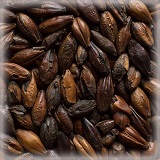 CHÂTEAU CHOCOLAT EKOLOGICZNY (CHOCOLAT NATURE)
Dodaj do koszyka
CHÂTEAU CHOCOLAT EKOLOGICZNY (CHOCOLAT NATURE)
Dodaj do koszyka
-
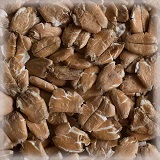 CHÂTEAU CHIT WHEAT NATURE MALT FLAKES® (EKOLOGICZNY)
Dodaj do koszyka
CHÂTEAU CHIT WHEAT NATURE MALT FLAKES® (EKOLOGICZNY)
Dodaj do koszyka
-
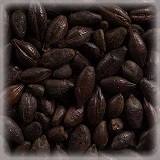 CHÂTEAU BLACK NATURE (SŁÓD EKOLOGICZNY)
Dodaj do koszyka
CHÂTEAU BLACK NATURE (SŁÓD EKOLOGICZNY)
Dodaj do koszyka
-
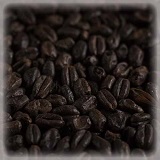 CHÂTEAU WHEAT CHOCOLAT NATURE (EKOLOGICZNY)
Dodaj do koszyka
CHÂTEAU WHEAT CHOCOLAT NATURE (EKOLOGICZNY)
Dodaj do koszyka
Nasze chmiele

New Hops


Nasze drożdże

Nasze przyprawy

Nasze cukry
Nasze kapsle
-
 Kegcaps 74 mm, Czerwony 102 Flatfitting A-type (700/box)
Dodaj do koszyka
Kegcaps 74 mm, Czerwony 102 Flatfitting A-type (700/box)
Dodaj do koszyka
-
 Kegcaps 64 mm, Orange 43 Sankey S-type (EU) (1000/box)
Dodaj do koszyka
Kegcaps 64 mm, Orange 43 Sankey S-type (EU) (1000/box)
Dodaj do koszyka
-
 CC29mm TFS-PVC Free, Zielony with oxygen scav.(6500/box)
Dodaj do koszyka
CC29mm TFS-PVC Free, Zielony with oxygen scav.(6500/box)
Dodaj do koszyka
-
Kegcaps 69 mm, White 86 Grundey G-type (850/box)
Dodaj do koszyka
-
 CC29mm TFS-PVC Freel, Błękitny without oxygen scav.(7500/box)
Dodaj do koszyka
CC29mm TFS-PVC Freel, Błękitny without oxygen scav.(7500/box)
Dodaj do koszyka
Certyfikaty
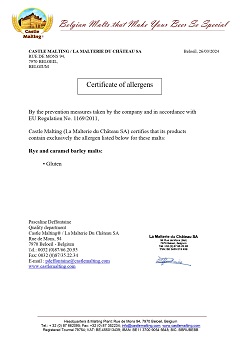 Malt Allergen Certificate for Rye and Caramel Barley Malt (ENG)
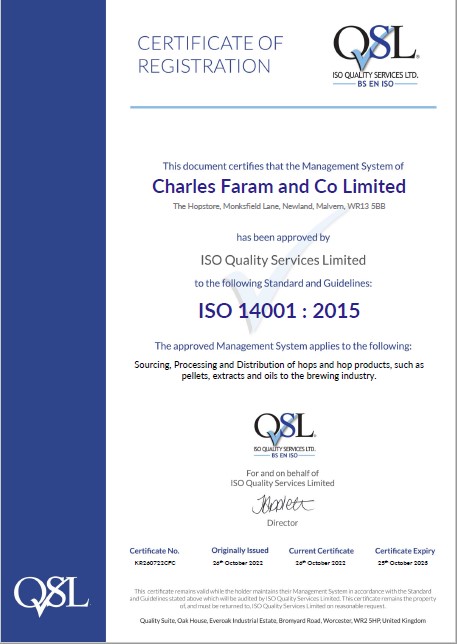 ChF Hops, ISO 14001 Certificate, EN 2023 (oct)
 Malt GMO-Free Certificate 2025
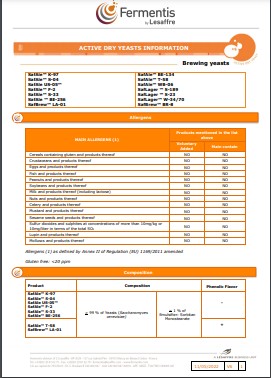 Fermentis - Brewing Yeasts Information 2023
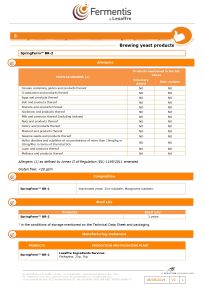 Fermentis - Brewing Yeasts Information ENG - SpringFerm BR-2
Sugestia
Join us



 Ireland: Malting barley in demand for Irish drinks industry
Ireland’s barley growers have managed to overcome seed supply issues to plant the 300,000t of malting barley needed each year to supply the Irish drinks sector in 2024, attendees at the Teagasc Boortmalt Malting Barley Conference heard on February 20, the Irish Examiner reported.
The tillage sector has known for some time there are issues with barley seed supply in 2024. However, despite this, the malting sector has secured sufficient quantities to grow the required tonnage in 2024.
Eoin McDonald, an agronomist from Cooladine Farms Ltd, said: “The industry moved early to secure seed supplies, and we are confident it is sufficient. However, we are conscious of the overall seed shortage and are encouraging growers to plant in excellent soil conditions to make the most of the available seed.”
Jonathan Roberts, a procurement manager in Boortmalt, told the conference the demand for malting barley is growing every year. Jonathan Roberts said: “The growth in the drinks industry is continuing, and our customers are delighted with the quality of Irish barley”.
However, he added there are sustainability requests coming through the supply chain, particularly around carbon footprinting.
“Consumer demands and corporate responsibility in the area of sustainability, especially around carbon footprinting, is becoming a stronger driver for change in the industry. Boortmalt are aware that Irish-grown malting barley has a low carbon footprint, and there are practices which can help to lower the footprint in the future," he said.
Jonathan said Boortmalt will be communicating the next steps with farmers over the coming months.
Rebecca Bayley, the Teagasc Boortmalt joint advisor, presented data from demonstration trials over the past few years.
“The data from these on-farm trials mirror what we would expect from replicated trials. In the plant growth regulators trial, it clearly shows there is no benefit from the application in crops with normal plant counts”.
Malting barley is grown widely across the Slaney River catchment, and Eddie Burgess, from the Agricultural Catchments Programme in Teagasc, told the conference there was a substantial improvement in water quality in the Slaney catchment in the past couple of years.
Eddie Burgess did point out that due to the light/porous soil type in the catchment, nitrate leaching continues to be high, and all farmers have a part to play in reducing nitrate leaching.
Dr Richie Hackett, a crops researcher in Oak Park, Teagasc, outlined where liquid nitrogen, or Urea Ammonium Nitrate (UAN) fits into the production of malting barley crops. Richie Hackett said that liquid nitrogen will work equally as well as other nitrogen sources, but growers need to be careful using the product in dry conditions as it is more susceptible to volatilisation than CAN.
Wstecz