

Novidades da empresa
E-Malt news
Americas: Heineken appoints Alex Carreteiro as Regional President Americas
Europe: Europe’s beer market continues to contract for the fifth consecutive year
UK: AHDB releases 2026/2027 recommended lists of cereals and oilseeds
USA, MD: Watchtower Brewing Company becomes Aberdeen’s first brewery
Nossos maltes



Nossos lúpulos

New Hops


Nossos fermentos

Nossas especiarias





Nossos candy sugars
Nossas tampinhas
-
 Kegcaps 64 mm, Marrom 154 Sankey S-type (EU) (1000/caixa)
Adicionar
Kegcaps 64 mm, Marrom 154 Sankey S-type (EU) (1000/caixa)
Adicionar
-
 Kegcaps 69 mm, Verdes 147 Grundey G-type (850/caixa)
Adicionar
Kegcaps 69 mm, Verdes 147 Grundey G-type (850/caixa)
Adicionar
-
Kegcaps 64 mm, Azuis 141 Sankey S-type (EU) (1000/caixa)
Adicionar
-
Kegcaps 69 mm, Marrom 141 Grundey G-type (850/caixa)
Adicionar
-
Kegcaps 64 mm, Vermelhas 1485 Sankey S-type (EU) (1000/caixa)
Adicionar
Receitas de cerveja e uísque




Certificados
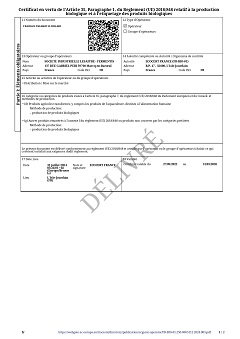 Fermentis - Certificate ECOCERT Bio production et produits 2022-2026
 Malt Kosher Certificate July 2025-June 2026
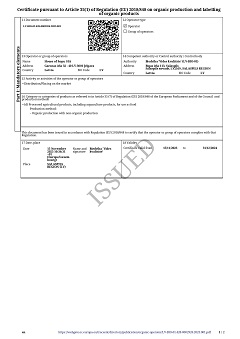 House of Hops Organic Certificate 2025
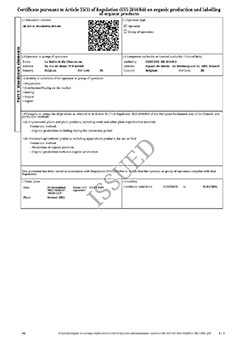 Organic Certificate ENG: Malt, Hops, Spices and Sugar - Dec 2023-Mar 2026
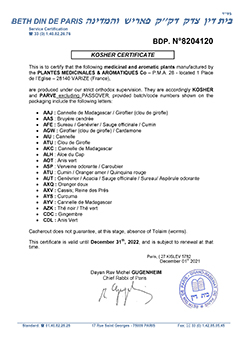 Fagron Spices, Kosher Certificate 2024
Sugestão
Join us



 USA: Alcohol consumption at its lowest level on record, survey shows
Alcohol consumption among adults in the U.S. is at the lowest level on record, a survey by analytics firm Gallup showed on August 13, as most Americans, for the first time, view even moderate drinking as harmful.
Gallup's latest Consumption Habits survey, conducted annually, showed that about 54% Americans reported drinking alcohol, compared with 58% in 2024 and 62% in 2023.
The figure falls below the previous record low of 55% in 1958 in the nearly nine decades of tracking by Gallup.
Alcohol sales have been falling since the pandemic drinking binge, as inflation and interest rates stretch consumer wallets. Spirit makers now also face growing warnings from public health authorities who say drinking even small amounts of alcohol is associated with at least seven types of cancer.
A majority of Americans — 53% — say moderate drinking is bad for health, Gallup found, up from 45% last year.
Fewer U.S. drinkers are consuming alcohol regularly, with a record-low 24% saying they had a drink in the previous day and 40% reporting more than a week since their last — the highest share since 2000, the survey found.
Average intake over the past seven days fell to 2.8 drinks, the lowest since 1996 and down from 3.8 a year ago, far below the 2003 peak of 5.1 drinks per week, the reports showed.
"The declines in alcohol consumption does not appear to be caused by people shifting to other mood-altering substances — in particular, recreational marijuana, which is now legal in about half of U.S. states," Lydia Saad, Gallup’s director of social research, said.
Gallup has tracked Americans' drinking behavior since 1939 and their views of the health implications of moderate drinking since 2001.
Voltar