

Notizie Aziendali
E-Malt news
Americas: Heineken appoints Alex Carreteiro as Regional President Americas
Europe: Europe’s beer market continues to contract for the fifth consecutive year
UK: AHDB releases 2026/2027 recommended lists of cereals and oilseeds
USA, MD: Watchtower Brewing Company becomes Aberdeen’s first brewery
I nostri malti
-
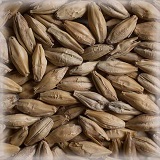 CHÂTEAU PEATED
Aggiungi al carrello
CHÂTEAU PEATED
Aggiungi al carrello
-
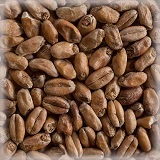 CHÂTEAU WHEAT MUNICH LIGHT NATURE® (MALTO BIOLOGICO)
Aggiungi al carrello
CHÂTEAU WHEAT MUNICH LIGHT NATURE® (MALTO BIOLOGICO)
Aggiungi al carrello
-
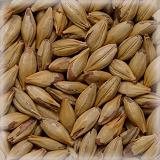 CHÂTEAU CARA HONEY NATURE (MALTO BIOLOGICO)
Aggiungi al carrello
CHÂTEAU CARA HONEY NATURE (MALTO BIOLOGICO)
Aggiungi al carrello
-
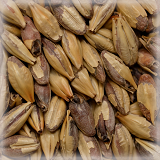 CHÂTEAU AROME NATURE (MALTO BIOLOGICO)
Aggiungi al carrello
CHÂTEAU AROME NATURE (MALTO BIOLOGICO)
Aggiungi al carrello
-
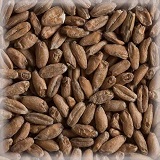 MALT CHÂTEAU SPELT NATURE® (MALTO BIOLOGICO)
Aggiungi al carrello
MALT CHÂTEAU SPELT NATURE® (MALTO BIOLOGICO)
Aggiungi al carrello
I nostri luppoli
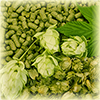
Luppoli nuovi


I nostri lieviti

Le nostre spezie
I nostri zuccheri
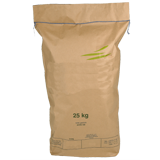
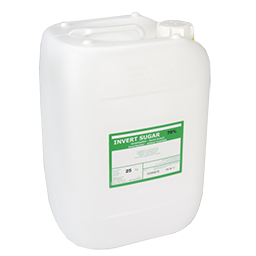
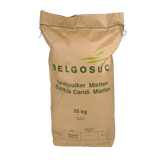
I nostri tappi
-
 CC29mm TFS-PVC Free, Rosso with oxygen scav.(7000/box)
Aggiungi al carrello
CC29mm TFS-PVC Free, Rosso with oxygen scav.(7000/box)
Aggiungi al carrello
-
 CC29mm TFS-PVC Free, Blu without oxygen scav.(7500/box)
Aggiungi al carrello
CC29mm TFS-PVC Free, Blu without oxygen scav.(7500/box)
Aggiungi al carrello
-
 Crown Caps 26mm TFS-PVC Free, Purple col. 2277 (10000/box)
Aggiungi al carrello
Crown Caps 26mm TFS-PVC Free, Purple col. 2277 (10000/box)
Aggiungi al carrello
-
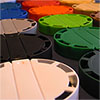 Kegcaps 64 mm, Beige 65 Sankey S-type (EU) (1000/box)
Aggiungi al carrello
Kegcaps 64 mm, Beige 65 Sankey S-type (EU) (1000/box)
Aggiungi al carrello
-
Kegcaps 64 mm, Brown 154 Sankey S-type (EU) (1000/box)
Aggiungi al carrello
Ricette per birra

Certificati
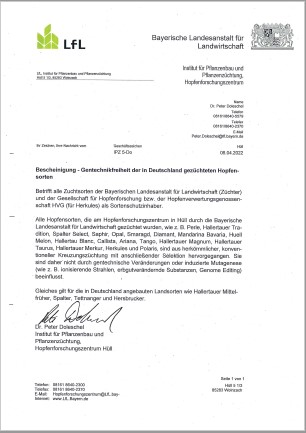 Hops, HVG, non-GMO Certificate 2022, EN
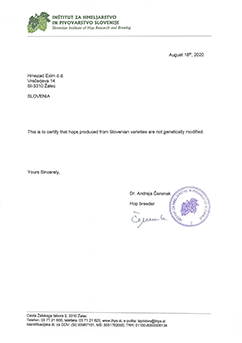 Hmezad Hops, Genetically Free Certificate 2022
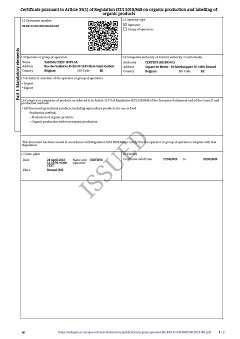 Hops Yakima Chief, Certificate Bio 2023-2026
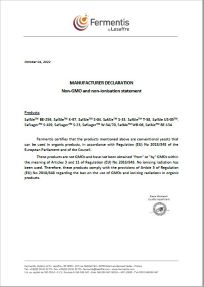 Fermentis Yeast- Non GMO declaration, non-ionisation_beer
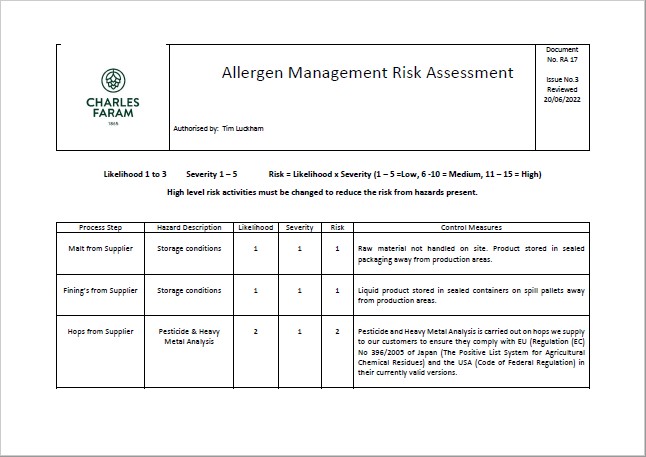 ChF Hops, RA17 Allergen Management Risk Assessment, EN 2022
Suggerimento
Join us



 UK: Be prepared to treat spring barley for leaf spotting
Barley growers with crops that have a history of leaf spotting should be prepared to apply treatments before symptoms appear, the Home Grown Cereals Authority has advised, FWi reported June 7.
The disease, caused by ramularia, poses greatest threat to spring barley in northern Britain, but can occur UK-wide, said the HGCA’s Graham Jellis.
“Prevention with fungicides is most effective when applied at boot stage (GS45-49), provided applications are made before symptoms appear, usually after the crop has flowered.”
He suggests a mixture of either prothioconazole or epoxiconazole with chlorothalonil. Growers could also consider a Qol (strobilurin) fungicide as a partner for broad-spectrum disease control.
Spring barley varieties differ in their resistance to ramularia, but none are fully resistant, he says. Optic can be worst hit, with yield losses up to 0.9t/ha, while Decanter typically looses 0.1t/ha. The average yield loss in high risk sites is 0.4t/ha.
Torna