

Your cart
Your cart is empty
Our Products

Company News
🍋 Sour & Fruity Beers: Dare the Acidity, Master the Balance with Our Experts
Dear Brewers,
Refreshing acidity, indulgent aromas, and sweet-and-sour profiles — as the sunny days return, sour and fruity beers naturally find their way into every glass. Once considered niche styles, they are now experiencing a real boom, driven by the search for ever more expressive and distinctive flavor profiles. An ideal field for innovation to refresh your summer offering… now it’s your move!
From light and sparkling Berliner Weisse to spiced Gose, through spontaneously fermented Lambics and modern fruity sours with intensely indulgent profiles, these styles rely on precise balances between acidity, sweetness, and aromas. Our experts share the keys to mastering each stage and successfully brewing your batches.
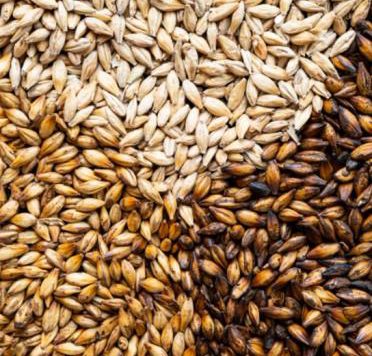
🌾 Malts to Enhance Your Sour & Fruity Beers
A great flavor profile starts with the right malt selection. For these styles, the malt base should remain subtle to let the acidity and fruit shine through. Discover our selection specially suited for sour and fruity beers:
Château Pilsen 2RS Malt – The essential base for sour and fruity beers
Very pale color and high diastatic power, providing the necessary sugars without competing with acidity and fruit aromas.
Château Pale Ale, Château Vienna, and Château Munich Malts – To adjust roundness and balance acidity
These kilned malts bring body, color, and malty/biscuity notes. Use sparingly to balance acidity without masking it.
Château Wheat Blanc Malt – Essential for Berliner Weisse, Gose, Lambics, and Gueuze
Its high protein content enhances body and foam retention, while providing an ideal base for wheat-based sour fermentations.
Château Cara Clair & Château Cara Blond – A touch of body and smoothness
Used in small quantities, these caramel malts add body and a slight sweetness to round out your sour profiles.
Oat Flakes – For a silky texture in modern sours
These flakes deliver a velvety mouthfeel, highly appreciated in styles such as Pastry Sour or Smoothie Sour.
Looking to brew organic Sour or Fruity beers? 🌿
Explore our wide range of certified organic malts and flakes!
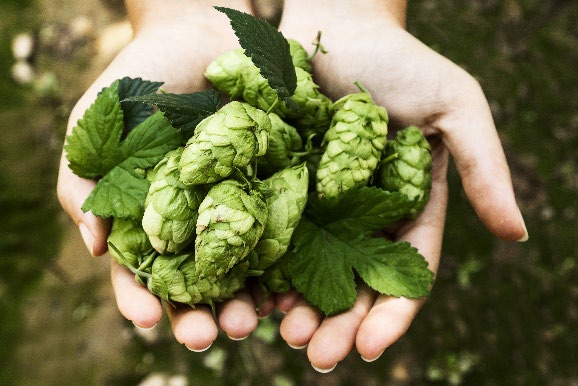
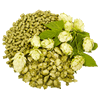
🌿 Hops to Enhance Your Recipes
For sour and fruity beers, hops play a supporting role: the objective is to remain subtle to avoid any clash between bitterness and acidity. Aim for a maximum of 10 to 15 IBU.
For traditional sour beers (Berliner Weisse, Gose, Lambic), noble German and Czech hops are the reference: Hallertau Mittelfrüh for its soft floral and spicy notes, Saaz for its characteristic herbal and floral profile, Tettnang for its woody, spicy and slightly fruity nuances, and Spalt for its delicate floral and herbal expression. These varieties support acidity without ever competing with it.
For modern fruity sours (Pastry Sour, Smoothie Sour, sours with fruit purée additions), American and Australian hops enhance and extend the fruit character of the beer: Citra for intense citrus notes, Mosaic for tropical complexity, Amarillo for orange and grapefruit notes, and Galaxy for passion fruit and peach aromas.

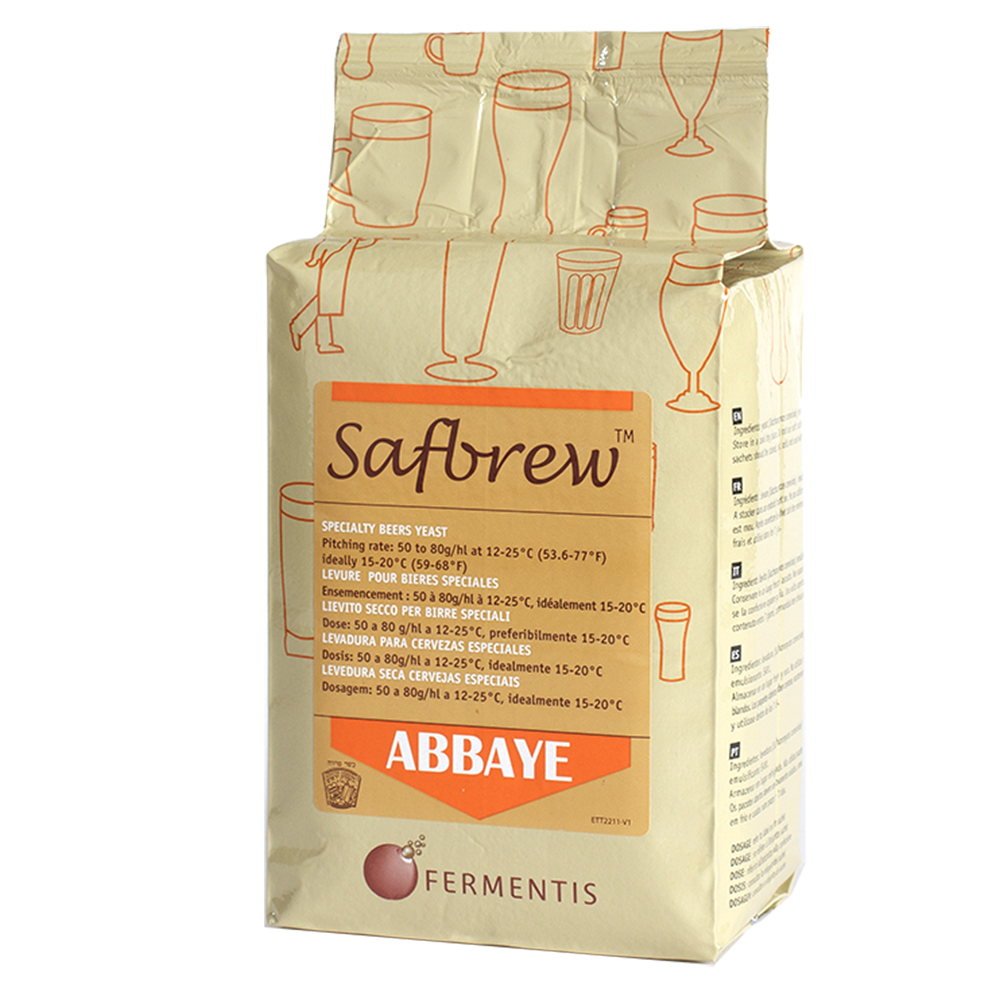
As an official Fermentis distributor, Castle Malting offers a complete range of solutions adapted to each style.
Successfully brewing a sour beer means mastering fermentation at two levels: the yeast, which builds the base flavour profile, and the bacteria, which generate the characteristic acidity of these styles.
With the SafAle™ range, Fermentis offers several yeast strains to cover the full spectrum of sour and fruity beer styles:
SafAle™ US-05 – The world-renowned all-road neutral ale yeast
Ideal for clean, crisp and well-balanced American ales, its neutral profile leaves full room for acidity and fruity notes to shine. Produces a firm foam head with excellent fermentation performance.
SafAle™ S-04 – The ideal yeast for English & American ales, with balanced fruity notes
Fast fermentation profile. Produces balanced fruity and floral notes. Due to its flocculation power, tends to produce beers with higher clarity.
SafAle™ WB‑06 – The perfect solution for wheat beers
Delivers fruity and phenolic character, ideal for wheat-based beers such as Belgian and German styles (e.g. Berliner Weisse and Gose). Produces highly drinkable beers and stays well suspended during fermentation.
SafAle™ S-33 – For fruity beers with body
This fruity yeast provides intense mouthfeel and body. Ideal for Belgian beers and fruity English strong ales.
With the SafSour™ range, Fermentis also provides bacteria dedicated to acidification, as well as all-in-one solutions designed to enhance the aromatic palette and add complexity to your sour beers:
SafSour LB 1™ – To preserve yeast flavour expression
A heterofermentative lactic bacteria selected to bring the right level of acidity. Recommended for Gose, Berliner Weisse and other balanced sour beers.
SafSour LP 652™ – A highly reliable bacteria to create balanced sour beers
Brings tropical fruit and citrus notes when used in kettle souring. Adds a refreshing character to the beer.
SafSour™ Barrel Instinct – For complex sour woody/winey beers
Composed of active dry yeast, enzymes and bacteria, this solution delivers fermentative and wood-related flavor complexity along with balanced acidity, notable dryness, and a rich fruity expression. This blend must be used in a very lightly hopped wort to allow lactic acid bacteria to develop.
SafSour™ Fruit Intuition – For complex sour fruity beers
Composed of dry yeast and bacteria, this solution delivers complex flavors including a broad fruity spectrum, along with gentle acidity. This blend must be used in a very lightly hopped wort to allow lactic acid bacteria to develop.
Discover our Malts | Discover our Flakes | Discover our Yeasts | Discover our Hops
⭐ Our Expert Tips for Successful Sour and Fruity Beers:
Choose your acidification method according to your objectives. There are five main methods: kettle souring, sour fermentation, spontaneous fermentation, direct lactic acid addition, and sour mash during mashing. For the best balance between speed, control and aromatic complexity, we recommend prioritizing kettle souring or mixed fermentations with Fermentis solutions.
Sanitize thoroughly after each sour batch. Lactic bacteria are extremely persistent: all equipment that has been in contact (tanks, pumps, hoses) must be carefully sanitized after each use. Ideally, dedicate specific equipment exclusively to sour production. Note: the lactic bacteria developed by Fermentis do not grow in hopped environments. If you are concerned about a contamination risk, opt for kettle souring; the boiling step will completely eliminate the bacteria.
💡 Tip: play with the sweet–sour balance! Acidity pairs beautifully with sweetness, but not with bitterness: keep your IBUs below 15. Do not hesitate to add pasteurized fruit purées (raspberry, passion fruit, cherry, mango…) during secondary fermentation: this will restart fermentation after the malt sugars are consumed, while bringing fruit intensity and aromatic complexity.
Explore our recipe suggestions:
Raspberry Sour Ale
Our team is on hand to advise you and support you with your next orders.
Warm regards,
Castle Malting Team
info@castlemalting.com
www.castlemalting.com
Tel: +32 87 66 20 95
Published: 09/05/2026
...